Wynt Blog
Find an Article
Wynt Blog
Find an Article
Wynt Blog
Dec 8, 2025
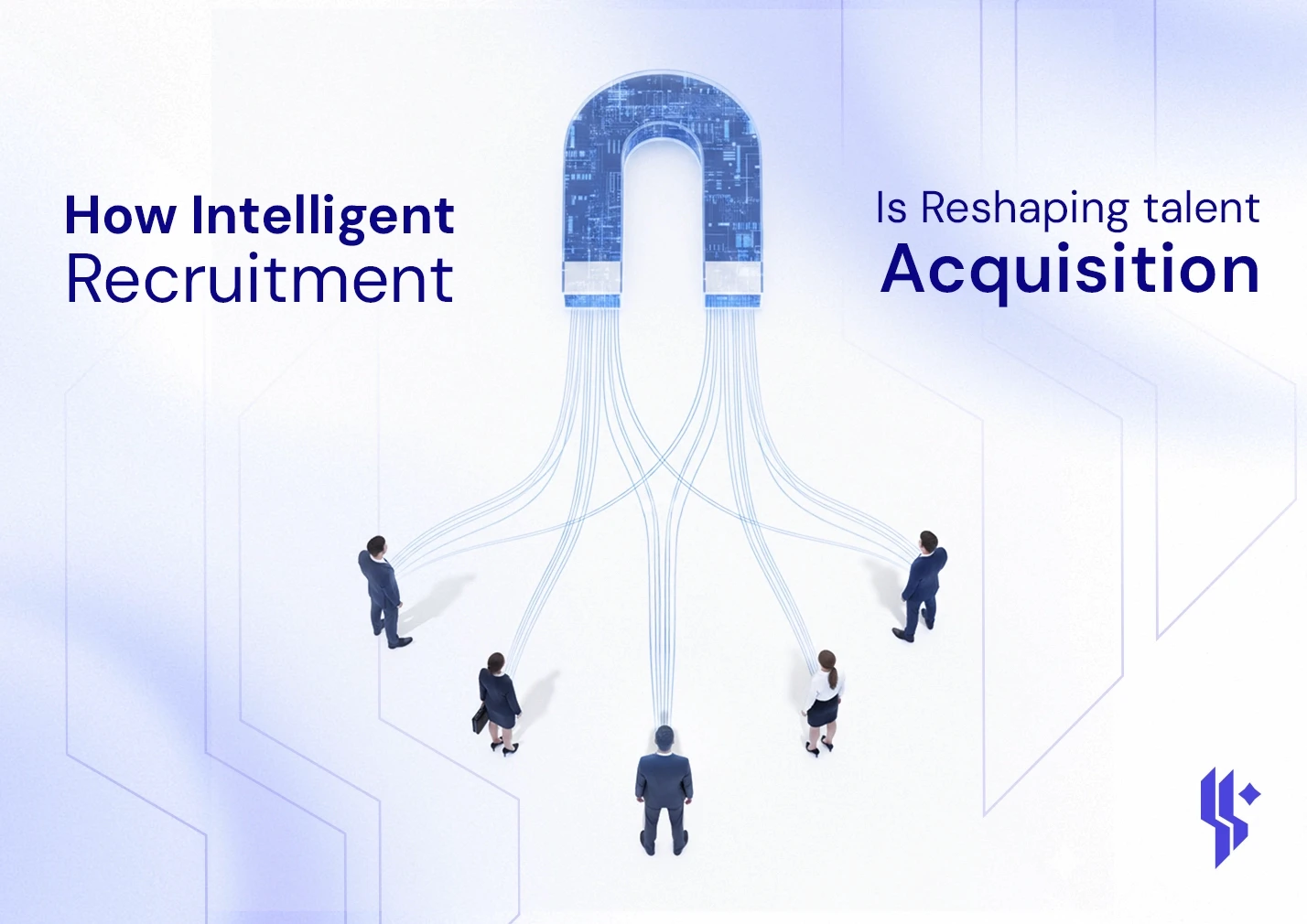
Smart Hiring & The Future of Work: How Intelligent Recruitment Is Reshaping Talent Acquisition
The Future of Work Starts with Smarter Hiring
The global workforce is shifting faster than ever. Skills are evolving, job roles are changing, and traditional recruitment is no longer enough. As companies compete for top talent, Smart Hiring has emerged as the key to building agile, future-ready teams.
Powered by AI, automation, and real-time data, smart hiring doesn’t just fill roles, it predicts success, enhances fairness, and ensures companies stay ahead in a rapidly changing world.
1. What Is Smart Hiring?
Smart Hiring refers to the use of AI-driven tools, automation, and predictive analytics to streamline the recruitment process.
Instead of relying solely on CVs and human judgment, smart hiring uses technology to:
• Analyze candidate skills more accurately
• Reduce bias in screening
• Predict performance and culture fit
• Automate repetitive tasks
• Speed up time-to-hire
It’s a shift from traditional hiring to data-backed talent decisions.
2. Why Smart Hiring Is the Future
• Skills Are Changing Too Fast
The World Economic Forum reports that over 50% of employees will need reskilling within a few years.
Smart hiring tools help companies identify skills-first talent, not just credentials.
• Remote & Hybrid Work Are Here to Stay
Global hiring pools mean more applicants and more complexity.
AI helps companies screen, match, and connect with candidates globally effortlessly.
• Automation Reduces Recruitment Bottlenecks
From scheduling interviews to filtering CVs, automated workflows allow recruitment teams to focus on what matters: building relationships.
3. Predictive Analytics Enhances Hiring Quality
Smart hiring platforms can forecast:
• How long a candidate will stay
• How well they'll perform
• Their likelihood to fit the team
That means lower turnover and higher retention.
4. Smart Hiring Technologies Transforming Talent Acquisition
AI Screening
AI analyzes thousands of applications in seconds, identifying the most relevant candidates without bias.
Skill-Based Assessments
Interactive assessments measure real functional skills not just what’s written on a CV.
Talent Intelligence & Predictive Scoring
Recruiters can see the probability of a candidate succeeding based on data patterns from top performers.
Automated Interviewing
AI-powered video interviews and virtual assessments save time and give consistent evaluations.
Blind Hiring Tools
To ensure fairness, smart hiring platforms remove demographic data and focus fully on skills + potential.
5. How Smart Hiring Improves the Candidate Experience
While recruitment becomes more advanced, the experience becomes more human:
Faster responses
Smoother application processes
Personalized feedback
Fair, transparent evaluations
Candidates feel valued, understood, and supported, leading to stronger employer brand loyalty.
6. Preparing for the Future of Work to stay competitive, companies need to:
• Embrace AI-powered recruitment tools
• Shift toward skills-based hiring
• Build a future-ready talent pipeline
• Reduce bias through blind hiring
• Leverage predictive analytics for better decisions
Smart hiring isn’t just a trend; it’s the foundation of the future workforce.
Conclusion
The future of work demands smarter, faster, and more unbiased hiring processes. With smart hiring technologies leading the way, companies can discover talent more effectively, support growth, and build teams ready for tomorrow.
Wynt.ai helps organizations adopt intelligent recruitment strategies that empower better decisions, better teams, and a better future of work.
Have More Questions?
Reach out Through
Latest Articles
Stay Updated with Our Latest Insights
Oct 23, 2025
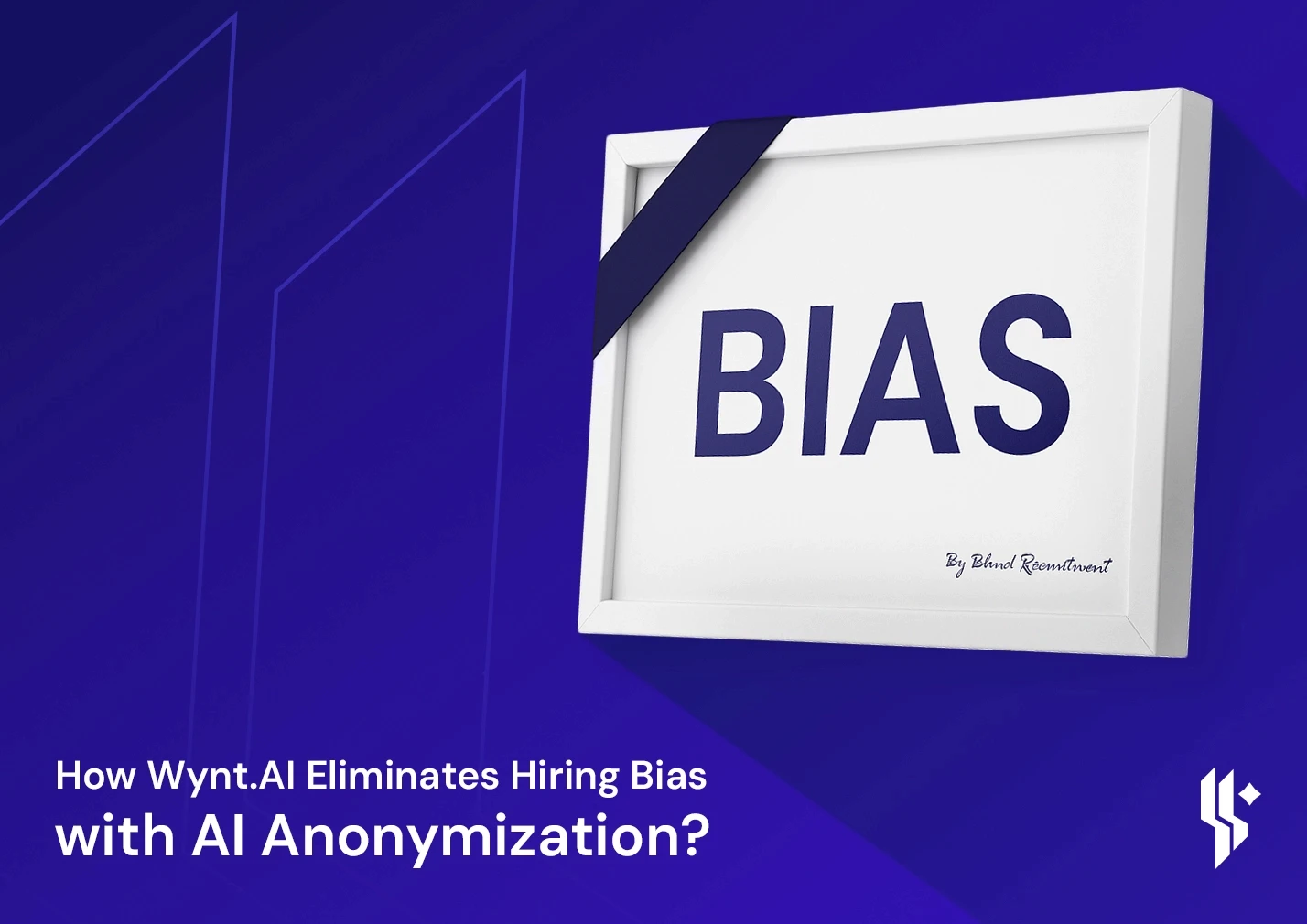
Blind Recruitment
Wynt.AI uses AI-powered blind hiring to remove bias and build a fair, skills-based process.
Learn More
Oct 15, 2025
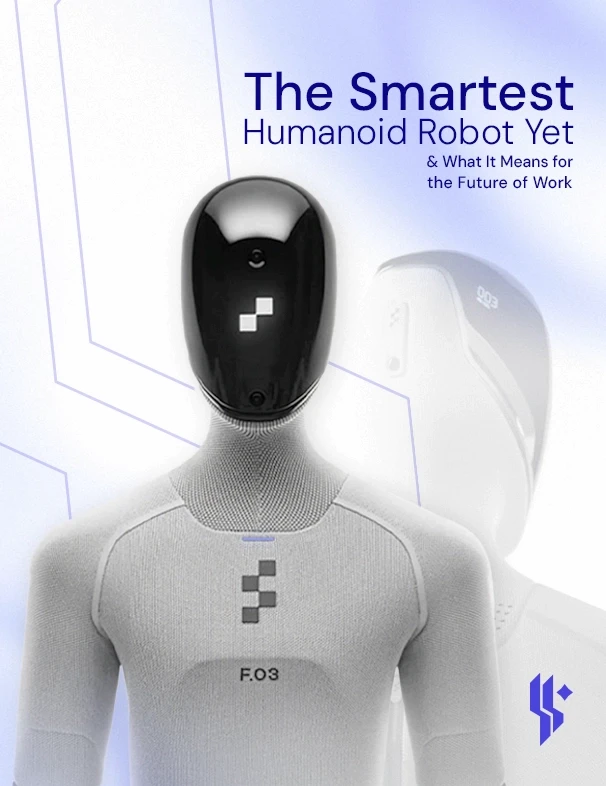
Figure 03
Figure AI unveils Figure 03, its smartest humanoid robot redefining the future of work
Learn More
Oct 7, 2025
RL Environments
See how RL environments make AI smarter, more reliable & ready for enterprise
Learn More
Dec 8, 2025
Smart Hiring & The Future of Work: How Intelligent Recruitment Is Reshaping Talent Acquisition
The Future of Work Starts with Smarter Hiring
The global workforce is shifting faster than ever. Skills are evolving, job roles are changing, and traditional recruitment is no longer enough. As companies compete for top talent, Smart Hiring has emerged as the key to building agile, future-ready teams.
Powered by AI, automation, and real-time data, smart hiring doesn’t just fill roles, it predicts success, enhances fairness, and ensures companies stay ahead in a rapidly changing world.
1. What Is Smart Hiring?
Smart Hiring refers to the use of AI-driven tools, automation, and predictive analytics to streamline the recruitment process.
Instead of relying solely on CVs and human judgment, smart hiring uses technology to:
• Analyze candidate skills more accurately
• Reduce bias in screening
• Predict performance and culture fit
• Automate repetitive tasks
• Speed up time-to-hire
It’s a shift from traditional hiring to data-backed talent decisions.
2. Why Smart Hiring Is the Future
• Skills Are Changing Too Fast
The World Economic Forum reports that over 50% of employees will need reskilling within a few years.
Smart hiring tools help companies identify skills-first talent, not just credentials.
• Remote & Hybrid Work Are Here to Stay
Global hiring pools mean more applicants and more complexity.
AI helps companies screen, match, and connect with candidates globally effortlessly.
• Automation Reduces Recruitment Bottlenecks
From scheduling interviews to filtering CVs, automated workflows allow recruitment teams to focus on what matters: building relationships.
3. Predictive Analytics Enhances Hiring Quality
Smart hiring platforms can forecast:
• How long a candidate will stay
• How well they'll perform
• Their likelihood to fit the team
That means lower turnover and higher retention.
4. Smart Hiring Technologies Transforming Talent Acquisition
AI Screening
AI analyzes thousands of applications in seconds, identifying the most relevant candidates without bias.
Skill-Based Assessments
Interactive assessments measure real functional skills not just what’s written on a CV.
Talent Intelligence & Predictive Scoring
Recruiters can see the probability of a candidate succeeding based on data patterns from top performers.
Automated Interviewing
AI-powered video interviews and virtual assessments save time and give consistent evaluations.
Blind Hiring Tools
To ensure fairness, smart hiring platforms remove demographic data and focus fully on skills + potential.
5. How Smart Hiring Improves the Candidate Experience
While recruitment becomes more advanced, the experience becomes more human:
Faster responses
Smoother application processes
Personalized feedback
Fair, transparent evaluations
Candidates feel valued, understood, and supported, leading to stronger employer brand loyalty.
6. Preparing for the Future of Work to stay competitive, companies need to:
• Embrace AI-powered recruitment tools
• Shift toward skills-based hiring
• Build a future-ready talent pipeline
• Reduce bias through blind hiring
• Leverage predictive analytics for better decisions
Smart hiring isn’t just a trend; it’s the foundation of the future workforce.
Conclusion
The future of work demands smarter, faster, and more unbiased hiring processes. With smart hiring technologies leading the way, companies can discover talent more effectively, support growth, and build teams ready for tomorrow.
Wynt.ai helps organizations adopt intelligent recruitment strategies that empower better decisions, better teams, and a better future of work.
Have More Questions?
Reach out Through
Stay Updated with Our Latest Insights
Oct 23, 2025
Blind Recruitment
Wynt.AI uses AI-powered blind hiring to remove bias and build a fair, skills-based process.
Learn More
Oct 15, 2025
Figure 03
Figure AI unveils Figure 03, its smartest humanoid robot redefining the future of work
Learn More
Dec 8, 2025
Smart Hiring & The Future of Work: How Intelligent Recruitment Is Reshaping Talent Acquisition
The Future of Work Starts with Smarter Hiring
The global workforce is shifting faster than ever. Skills are evolving, job roles are changing, and traditional recruitment is no longer enough. As companies compete for top talent, Smart Hiring has emerged as the key to building agile, future-ready teams.
Powered by AI, automation, and real-time data, smart hiring doesn’t just fill roles, it predicts success, enhances fairness, and ensures companies stay ahead in a rapidly changing world.
1. What Is Smart Hiring?
Smart Hiring refers to the use of AI-driven tools, automation, and predictive analytics to streamline the recruitment process.
Instead of relying solely on CVs and human judgment, smart hiring uses technology to:
• Analyze candidate skills more accurately
• Reduce bias in screening
• Predict performance and culture fit
• Automate repetitive tasks
• Speed up time-to-hire
It’s a shift from traditional hiring to data-backed talent decisions.
2. Why Smart Hiring Is the Future
• Skills Are Changing Too Fast
The World Economic Forum reports that over 50% of employees will need reskilling within a few years.
Smart hiring tools help companies identify skills-first talent, not just credentials.
• Remote & Hybrid Work Are Here to Stay
Global hiring pools mean more applicants and more complexity.
AI helps companies screen, match, and connect with candidates globally effortlessly.
• Automation Reduces Recruitment Bottlenecks
From scheduling interviews to filtering CVs, automated workflows allow recruitment teams to focus on what matters: building relationships.
3. Predictive Analytics Enhances Hiring Quality
Smart hiring platforms can forecast:
• How long a candidate will stay
• How well they'll perform
• Their likelihood to fit the team
That means lower turnover and higher retention.
4. Smart Hiring Technologies Transforming Talent Acquisition
AI Screening
AI analyzes thousands of applications in seconds, identifying the most relevant candidates without bias.
Skill-Based Assessments
Interactive assessments measure real functional skills not just what’s written on a CV.
Talent Intelligence & Predictive Scoring
Recruiters can see the probability of a candidate succeeding based on data patterns from top performers.
Automated Interviewing
AI-powered video interviews and virtual assessments save time and give consistent evaluations.
Blind Hiring Tools
To ensure fairness, smart hiring platforms remove demographic data and focus fully on skills + potential.
5. How Smart Hiring Improves the Candidate Experience
While recruitment becomes more advanced, the experience becomes more human:
Faster responses
Smoother application processes
Personalized feedback
Fair, transparent evaluations
Candidates feel valued, understood, and supported, leading to stronger employer brand loyalty.
6. Preparing for the Future of Work to stay competitive, companies need to:
• Embrace AI-powered recruitment tools
• Shift toward skills-based hiring
• Build a future-ready talent pipeline
• Reduce bias through blind hiring
• Leverage predictive analytics for better decisions
Smart hiring isn’t just a trend; it’s the foundation of the future workforce.
Conclusion
The future of work demands smarter, faster, and more unbiased hiring processes. With smart hiring technologies leading the way, companies can discover talent more effectively, support growth, and build teams ready for tomorrow.
Wynt.ai helps organizations adopt intelligent recruitment strategies that empower better decisions, better teams, and a better future of work.
Have More Questions?
Reach out Through
Stay Updated with Our Latest Insights
Oct 23, 2025
Blind Recruitment
Wynt.AI uses AI-powered blind hiring to remove bias and build a fair, skills-based process.
Learn More
Oct 15, 2025
Figure 03
Figure AI unveils Figure 03, its smartest humanoid robot redefining the future of work
Learn More